Key Takeaways
- SpaceX shares closed at $135.27, just $0.27 above the $135 IPO price from the $86 billion June offering
- The stock has erased roughly one-third of its market capitalization in four weeks after peaking above $200 post-IPO
- Only about 4 percent of SpaceX's total shares trade on Nasdaq, creating a minuscule float that amplifies intraday swings
- SpaceX's post-IPO bonds are trading below par, signaling a dual deterioration in both equity and debt markets
SpaceX shares closed Wednesday at $135.27, barely a tick above the $135 IPO price that underpinned the company’s $86 billion June offering. The stock spent much of the session below that level, dipping under $133 before a late rally trimmed losses. The slide marks a steady erosion from the post‑IPO peak above $200, a valuation that briefly placed SpaceX in the same league as Amazon and Microsoft. In just four weeks the company has surrendered roughly a third of its market capitalization, a pace that underscores how thin the public float really is.
Float Dynamics and Volatility
Only about 4 percent of SpaceX’s total shares trade on Nasdaq, a minuscule float that amplifies every buy or sell order. Combined with relentless media attention on Elon Musk’s ventures, the limited supply creates violent intraday swings that have little to do with fundamentals. Institutional holders — many of whom received allocations at the IPO — are sitting on substantial paper losses, yet few can exit without moving the market. That structural bottleneck means the stock can gap down on modest selling pressure, then rebound on a single large block trade, a pattern that has repeated almost daily since the debut.
Broader Tech Deflation and Bond Market Signals
The decline coincides with a wider pullback in high‑growth technology equities. Rising rates, sticky inflation, and a re‑rating of long‑duration cash flows have compressed multiples across the board. SpaceX’s post‑IPO bonds, issued to lock in cheap financing while the equity window was open, have also slipped, trading below par. That dual deterioration — equity and debt — suggests investors are recalibrating the risk premium on Musk’s “otherworldly” promises, from Mars colonization to global broadband via Starlink.
IPO Bellwether for AI Peers
SpaceX’s performance is now a reference point for the next wave of mega‑IPOs. Anthropic and OpenAI have both filed confidentially, and bankers are using SpaceX’s after‑market trajectory to model demand for their own offerings. A sustained break below the IPO price would make it harder to argue that public markets have appetite for capital‑intensive, pre‑profit moonshots, potentially forcing AI firms to delay or downsize their listings. Conversely, a recovery before their roadshows could validate the “deep‑tech” thesis and reopen the window.
Starship Test: The Next Catalyst
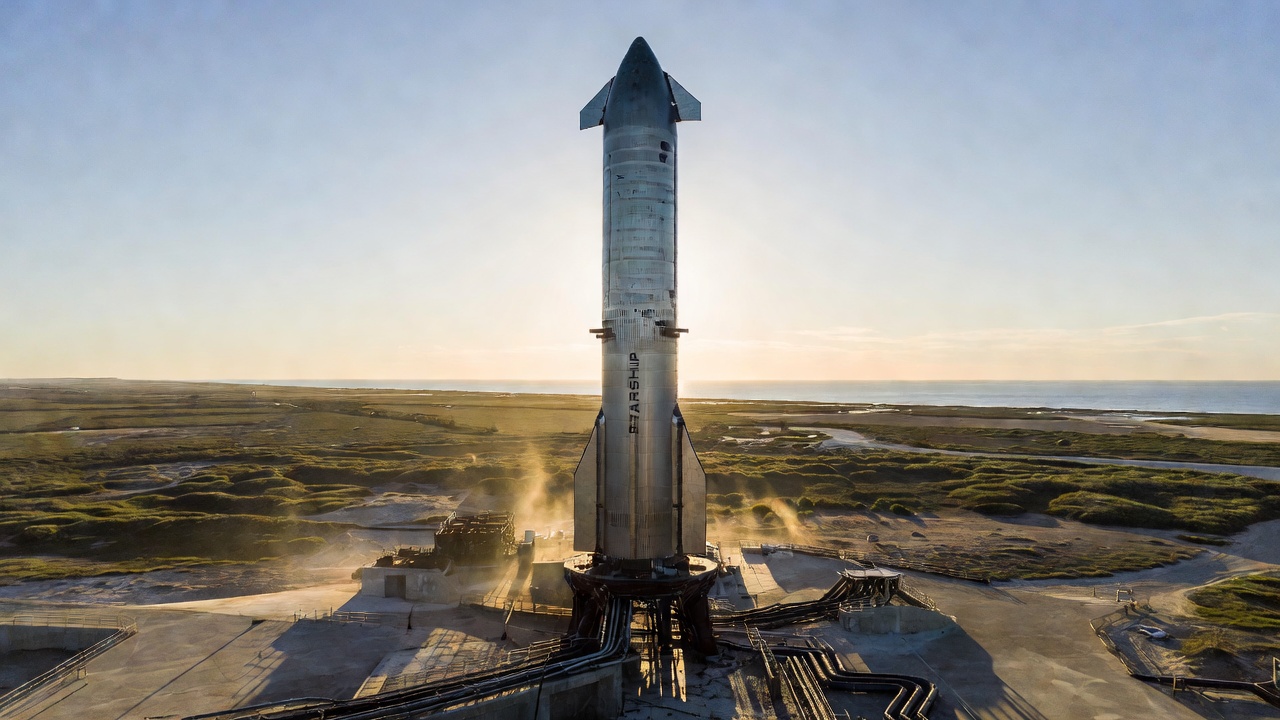
Thursday’s Starship flight test arrives at a fragile moment. This will be the first integrated launch since a booster failure in May, and SpaceX is again employing its “fly, fail, fix” philosophy: neither the Super Heavy booster nor the Starship upper stage will be recovered. Both are destined for a controlled splashdown in the Gulf of Mexico, meaning the hardware ends in fire regardless of nominal mission success. The market knows this script; previous test flights have produced spectacular explosions that Musk framed as data wins, yet each event triggers a short‑term sell‑off followed by a rebound once telemetry confirms progress.
Technical Stakes and Investor Psychology
Starship is the linchpin of SpaceX’s valuation argument. Its fully reusable architecture promises to slash launch costs by an order of magnitude, enabling the Starlink constellation, NASA’s Artemis lunar lander contract, and eventually the Mars transport fleet. A clean flight — even with intentional destruction of the stages — would validate the iteration cadence and keep the long‑term thesis intact. A repeat of May’s booster anomaly, or a new failure mode, would feed the narrative that the engineering curve is steeper than Musk’s timelines imply, pressuring the stock further toward the IPO floor.
Valuation Re‑anchoring
At $135 the company trades at roughly 12 times trailing revenue, a multiple that looks reasonable for a mature launch provider but aggressive for a concern still burning cash on R&D. The peak above $200 implied a revenue multiple north of 18, pricing in near‑flawless execution on Starship and Starlink subscriber growth. The current level reflects a market that has stripped out the “option value” on Mars and is now pricing SpaceX as a high‑growth launch services operator with a lucrative but saturating broadband business.
Outlook: Watch the Float, Not the Headlines
Until the float expands — either through secondary sales by early investors or a follow‑on offering — the stock will remain a high‑beta plaything for momentum traders. The Starship test will dominate near‑term price action, but the structural overhang of locked‑up shares means any sustained move above $150 likely requires fresh capital inflows or a demonstrable inflection in Starlink ARPU. For now, the $135 IPO line acts as both psychological support and a magnet for short sellers betting on the next “fly, fail, fix” cycle.
Frequently Asked Questions
Why does SpaceX's low float percentage matter for CRM teams tracking account volatility?
With only 4 percent of shares publicly traded, even modest buy or sell orders create violent intraday swings that distort valuation signals and complicate territory planning for accounts tied to SpaceX's stock performance.
How does SpaceX's post-IPO trajectory influence the timing of AI mega-IPOs like Anthropic and OpenAI?
Bankers are using SpaceX's after-market performance to model demand for upcoming AI offerings, and a sustained break below IPO price could force AI firms to delay or downsize their listings.
What is the current status of institutional holders who received IPO allocations?
Institutional holders are sitting on substantial paper losses but face a structural bottleneck where few can exit positions without moving the market due to the limited float.
Why is Thursday's Starship test considered a critical catalyst for the stock?
The integrated flight test arrives at a fragile moment when the stock is barely above IPO price, and the outcome could trigger either a recovery that validates the deep-tech thesis or further erosion below the offering price.