Key Takeaways
- Even Realities closed a $150 million pre-Series B round at a $1 billion valuation led by Meituan and Tencent
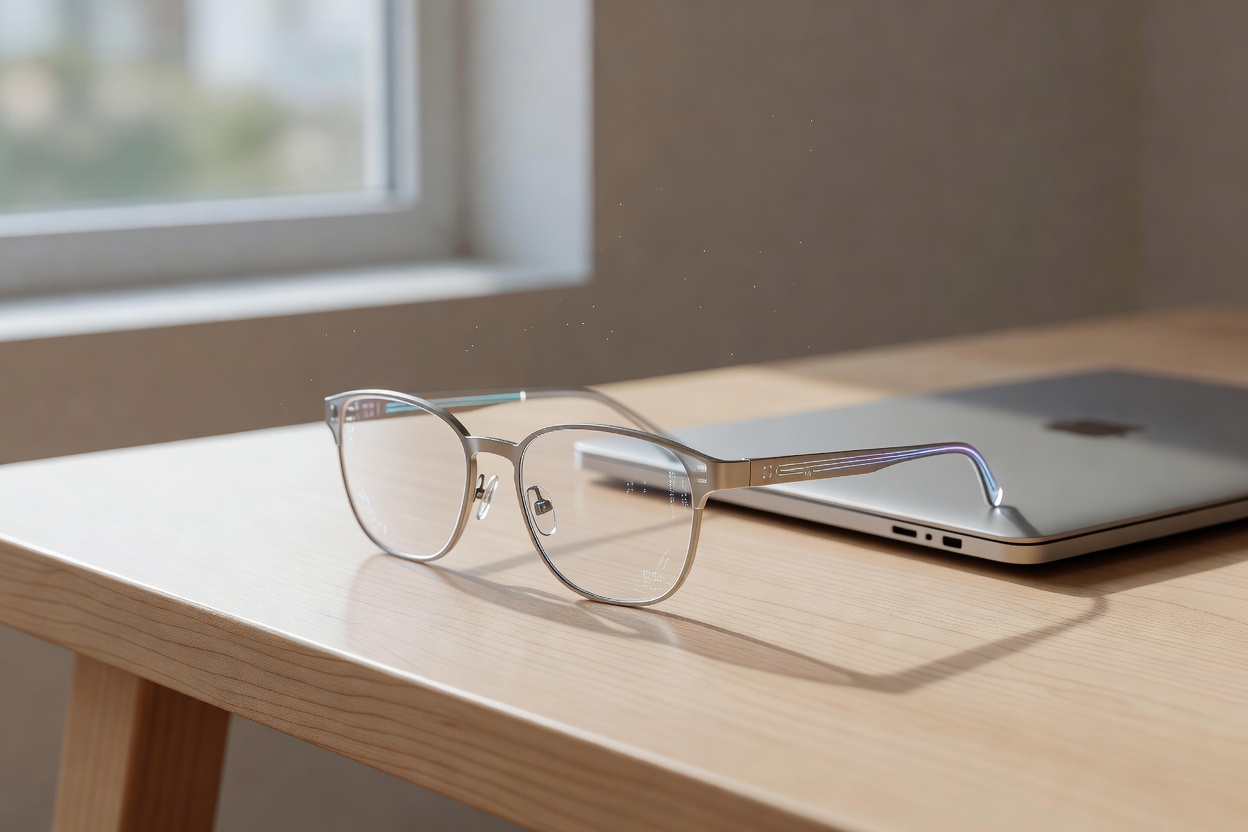
- The G2 smart glasses weigh under 30 grams and deliver all-day battery life without any outward-facing camera
- Even's first-generation G1 exceeded its 10,000-unit sales target in 2024, becoming the first waveguide smart glasses maker to reach five-figure unit sales
- CEO Will Wang previously led hardware engineering on the Apple Watch and iPhone before founding Even Realities in 2023
Smart glasses maker Even Realities hits $1B valuation with $150M funding led by Meituan, Tencent
The smart glasses arms race just moved past the hype phase and into serious capital allocation. Even Realities, a Shenzhen-based startup barely three years old, has closed a $150 million pre-Series B round at a $1 billion valuation led by Meituan and returning investor Tencent. The round signals that China's tech giants are betting on a display-first, privacy-centric approach to wearable computing — one that deliberately rejects the camera-heavy, content-capture model Meta and Snap are currently pushing.
Different bet, different architecture
While Meta's Orion prototype and Snap's fifth-generation Spectacles double down on outward-facing cameras and multimodal AI assistants, Even's flagship G2 — launched last November — ships without a camera at all. Information is delivered via a waveguide heads-up display built into the frames, navigated by a companion ring (the Even R1) that users tap and swipe. This isn't a cost-saving measure; it's a philosophical and architectural fork in the road.
CEO Will Wang, who led hardware engineering on the Apple Watch and iPhone before founding Even in 2023, argues that smart glasses are "the most personal computing device people will ever wear." That claim carries weight coming from someone who helped define the last personal computing paradigm shift. The G2's privacy architecture reflects that view: voice features like real-time translation transcribe audio to text on-device rather than storing recordings; user data is encrypted end-to-end; and the infrastructure is built to meet GDPR standards out of the gate.
Optics as the moat
Even's real intellectual property sits in its optical stack. Wang has been explicit: "Smart glasses are the first product category to rely on optical displays, which require an entirely different technology stack; you have to design the microchip, the optics, and the waveguide together." The company developed a proprietary optical technology it calls "Digital Lens" — a full-stack integration of micro-LED, waveguide geometry, and custom silicon that enables the G2's sub-30-gram weight and all-day battery life.
This vertical integration mirrors Apple's playbook with the Watch: control the display technology, the silicon, and the form factor simultaneously. It's also why Even blew past its own 10,000-unit sales target for the G1 in 2024, becoming the first waveguide smart glasses maker to hit five-figure volume. The team has swollen from 30–40 to 300–400 in a year, with hiring concentrated in optical engineering and computational vision.
The Conversate differentiator
Early adopters aren't buying the G2 for notifications. They're buying it for "Conversate," an AI copilot that listens to conversations in real time, surfaces definitions for jargon, suggests follow-up questions, and syncs a structured summary to the user's phone. It's a productivity feature that feels native to the form factor — heads-up, hands-free, eyes-forward — rather than a port of a phone app. That distinction matters. The killer app for smart glasses won't be Instagram Stories; it will be contextual intelligence that respects the social contract of face-to-face interaction.
China's consumer hardware engine
The investor roster tells its own story. Sequoia China backed the seed. Tencent doubled down. Meituan, the super-app giant with deep logistics and local-services data, leads the latest round. Even isn't just a hardware startup; it's a potential interface layer for Meituan's ecosystem — imagine a delivery rider getting turn-by-turn navigation and order details beamed into their lens, or a diner seeing menu translations and allergy warnings without pulling out a phone. The strategic logic is tighter than Meta's consumer-only play.
Market implications
The $1B valuation puts Even in unicorn territory before most Western counterparts have shipped volume product. Brilliant Labs, Xreal, and Vuzix are still fighting for developer mindshare. Even has paying customers, a proprietary optical stack, and a distribution channel (it sells direct and through premium optical retailers in Asia and Europe). The next 18 months will test whether the display-first, camera-free thesis can scale beyond early adopters into mainstream knowledge workers — and whether Meituan's distribution muscle can crack enterprise and vertical markets.
One thing is clear: the smart glasses category has splintered. Meta and Snap are building spatial computers with cameras. Even is building a personal display computer with a privacy charter. Both can win, but they're playing different games.
Frequently Asked Questions
How does Even Realities' privacy architecture differ from competitors like Meta and Snap?
Even Realities' G2 transcribes audio to text on-device rather than storing recordings, encrypts user data end-to-end, and built its infrastructure to meet GDPR standards from launch.
What input method does the Even G2 use instead of cameras or voice commands?
The Even G2 is navigated by a companion ring called the Even R1 that users tap and swipe to control the waveguide heads-up display.
Why did Meituan and Tencent lead a $150 million investment in Even Realities at a $1 billion valuation?
China's tech giants are betting on a display-first, privacy-centric approach to wearable computing that deliberately rejects the camera-heavy, content-capture model pursued by Meta and Snap.
What proprietary optical technology enables Even's lightweight form factor and battery life?
Even developed "Digital Lens," a full-stack integration of micro-LED, waveguide geometry, and custom silicon that enables the G2's sub-30-gram weight and all-day battery life.